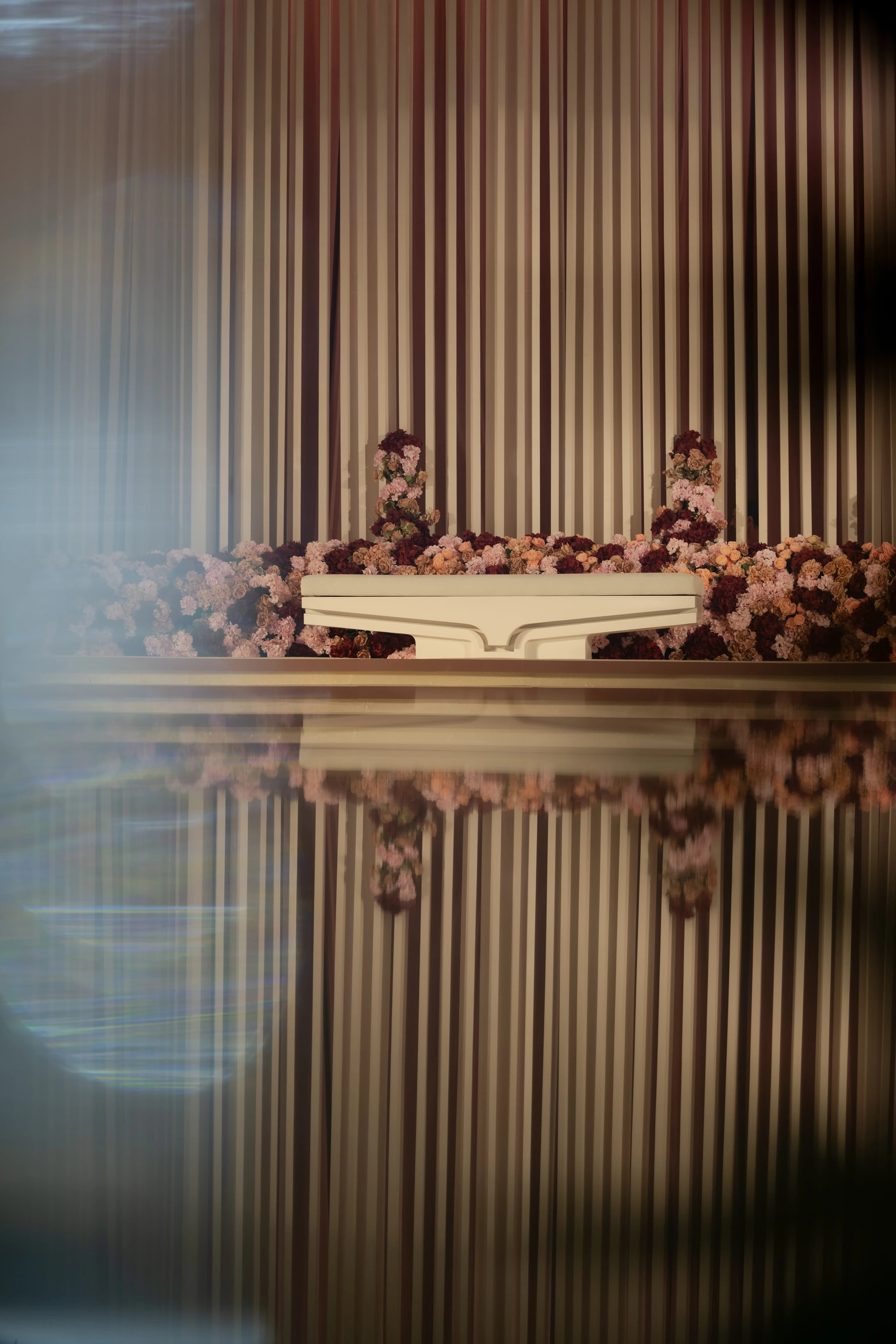
What is a kosha?
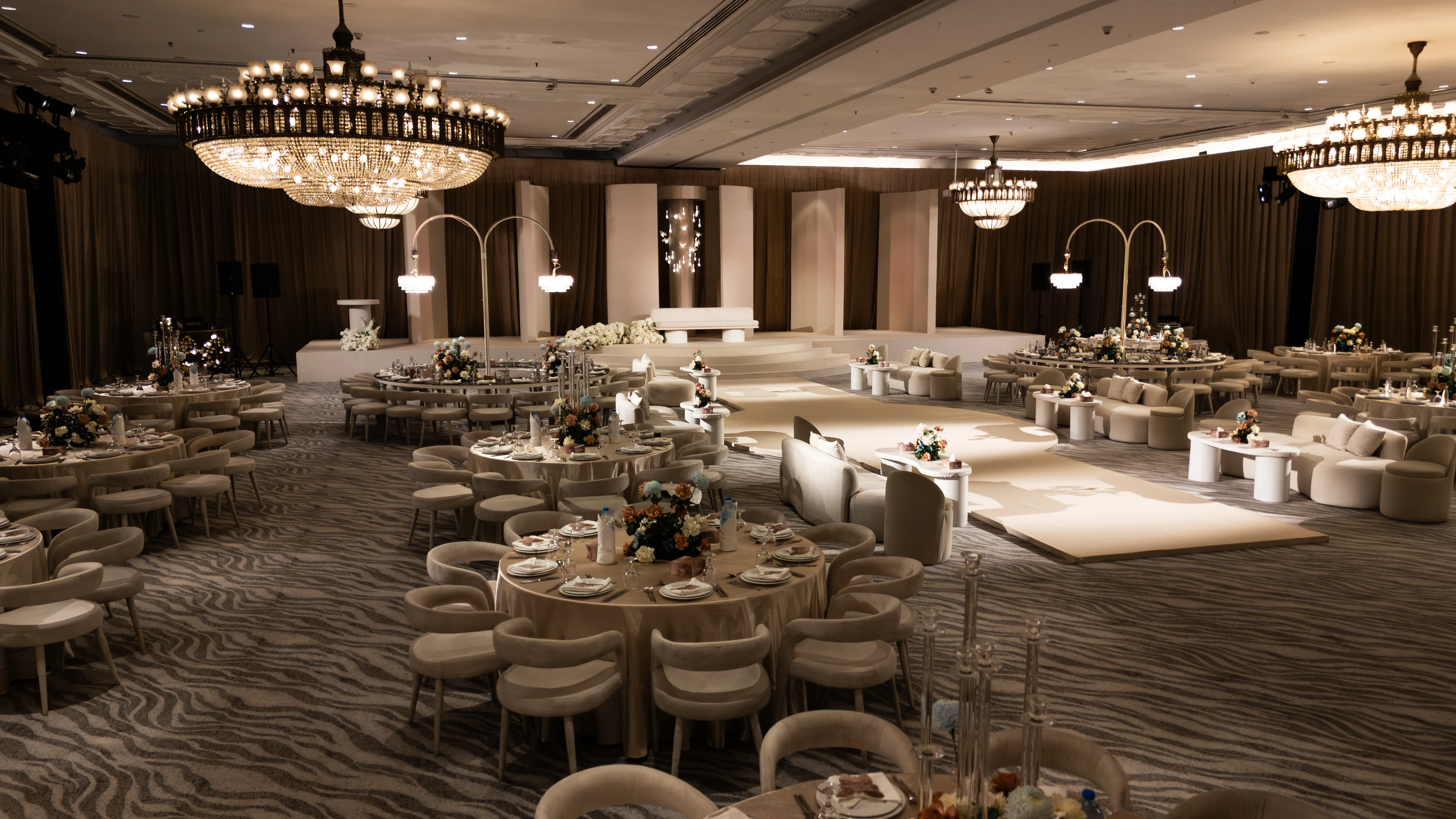
The kosha (كوشة) is a raised, decorated platform at the head of the wedding hall, with a seat or sofa for the bride, and later for the bride and groom together. It is the focal point of the women's celebration in many Gulf and Arab weddings: guests face it, the bride walks towards it during her entrance, and much of the evening's photography happens on or around it. The word is used across the region, and you will also see it written koshah or kousha.
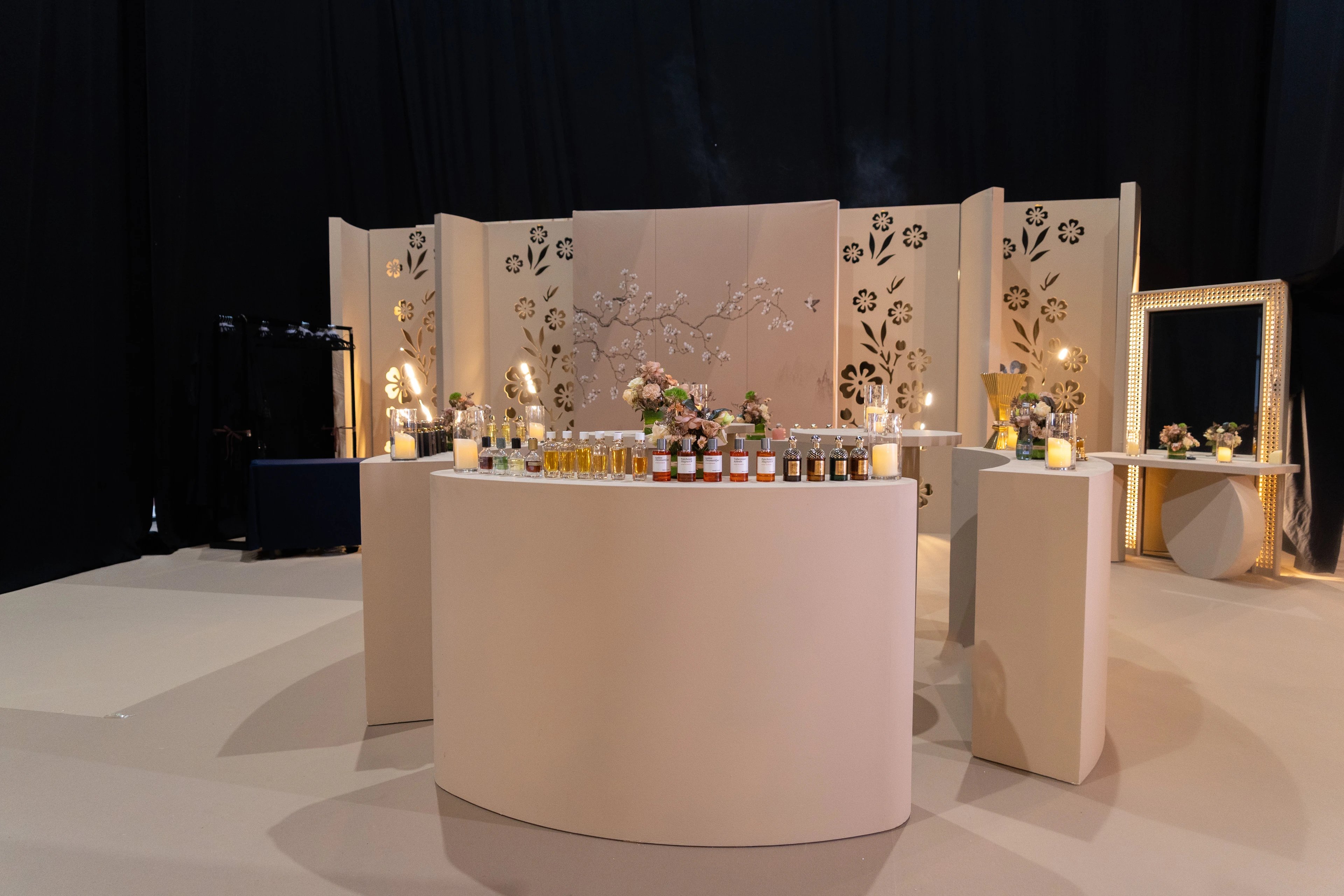
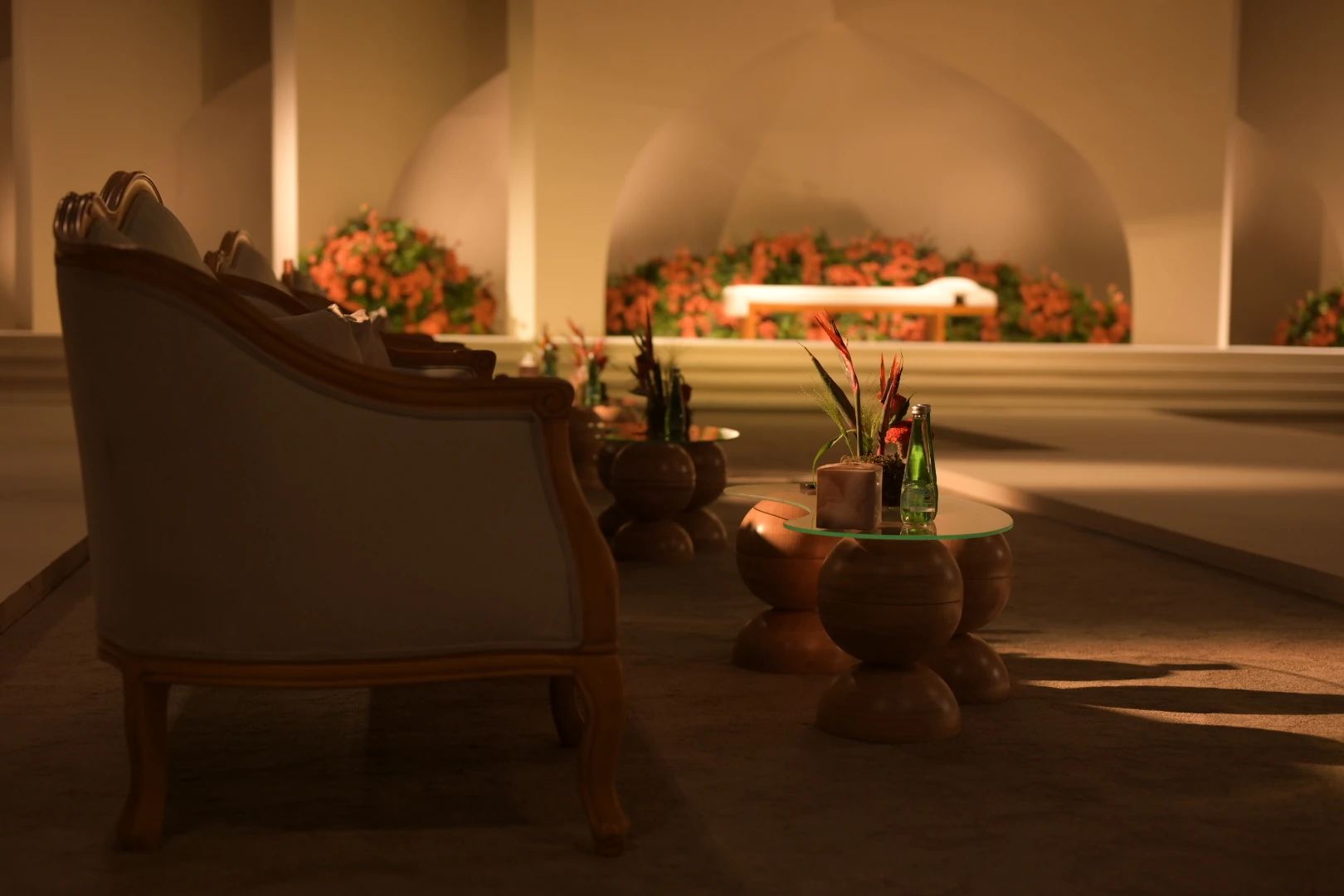
A kosha can be anything from a simple sofa framed by flowers to a full stage set with backdrops, lighting, a long runway and an arch. Designs follow fashion: one season it is towering white florals, the next it is lattice panels, painted landscapes or palms and clay jars that recall a traditional courtyard. For an Emirati celebration, many couples now bring in heritage touches such as sadu weaving, carved wood or Arabic calligraphy.
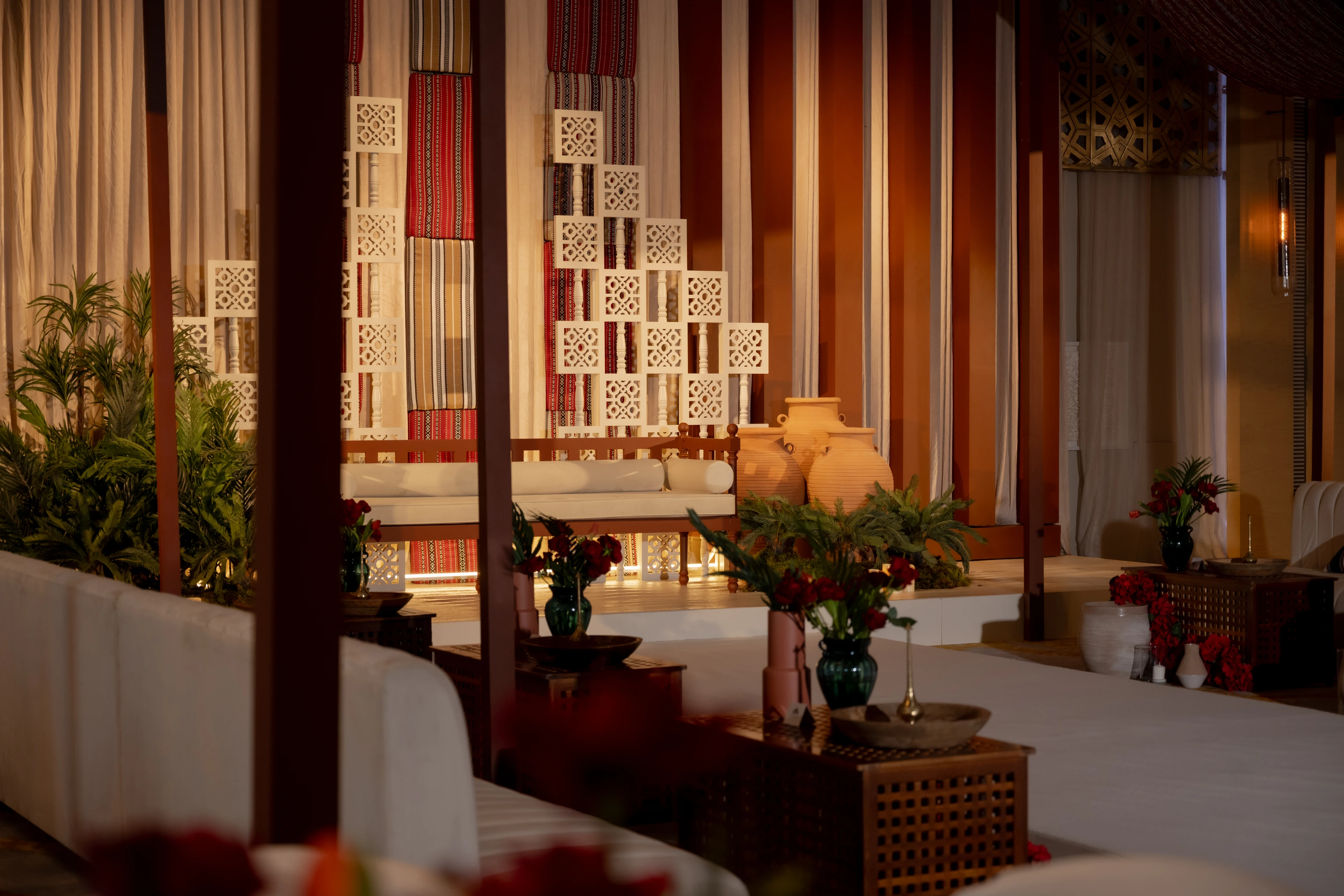
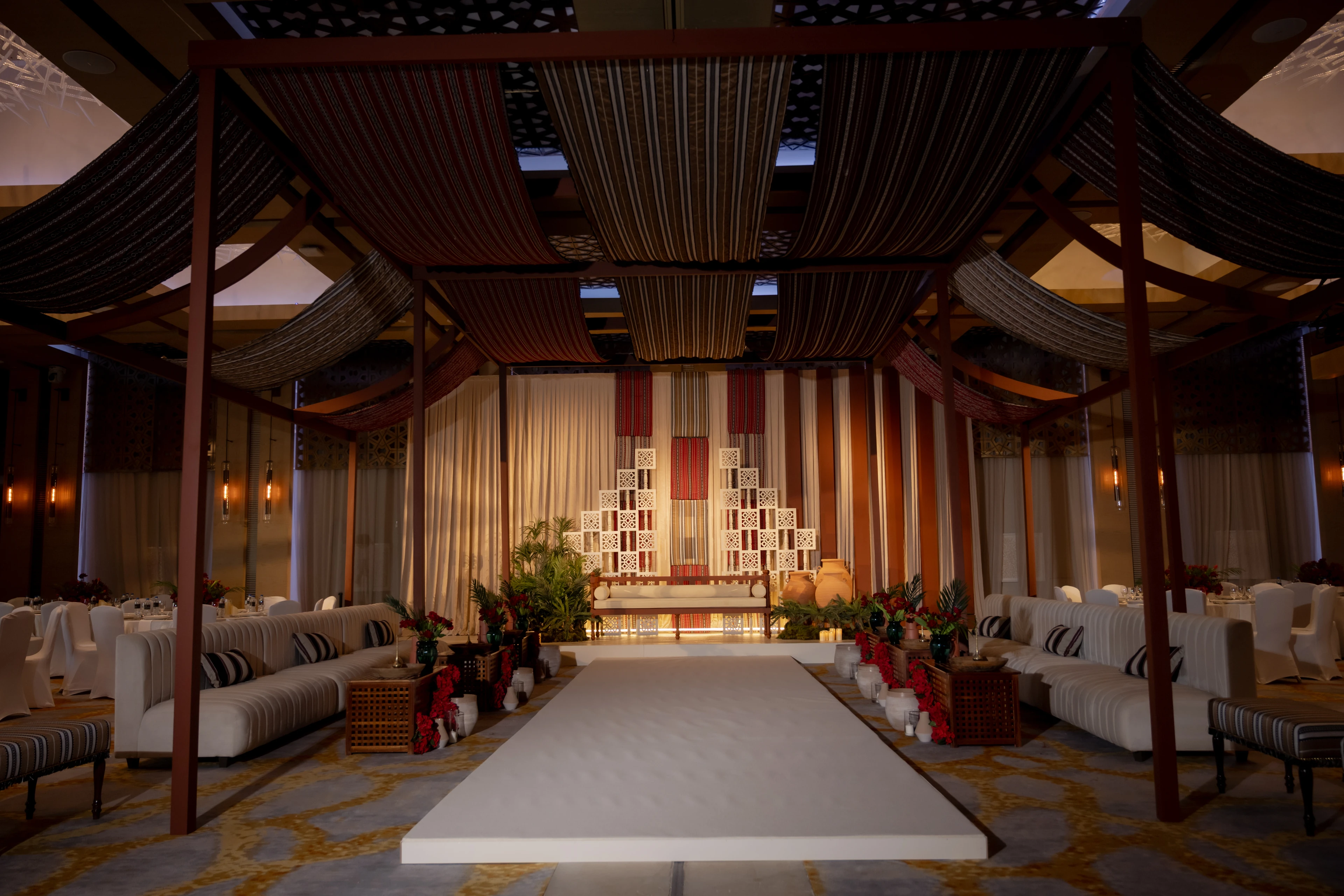
What role does the kosha play during the night?
Most women's celebrations follow a similar arc. Guests arrive and take their seats while the kosha sits empty, lit and waiting. Later in the evening the bride makes her entrance, the zaffa, walking slowly down the runway to the kosha. Once she is seated, family and guests come up to greet and congratulate her, and to have their photographs taken with her. In many families the groom arrives towards the end of the night with close male relatives and joins the bride on the kosha before the couple leave together.
That means the kosha is not just decoration. It is the backdrop for the bride's entrance, for dozens of family portraits and for the first photographs of the couple together on the night. Our guide to Emirati wedding traditions explains where this fits in the wider celebration.
How do you plan a kosha that photographs well?
Kosha designers think about how the stage looks from the hall. A photographer has to think about how it looks through a lens, often at close range and under stage lighting. A few things make a real difference:
- Light on the bride's face. Coloured stage lights and strong spotlights look dramatic in the room but can turn skin orange or purple in photographs. Ask the lighting team for a soft, neutral light falling on the seat itself.
- Room behind the seat. A little space between the sofa and the backdrop gives depth and lets the backdrop fall softly out of focus behind the bride.
- A clear runway. The entrance is one of the most photographed moments of the night. Keep the aisle free of guests, low flowers and equipment that would block the view down its length.
- Somewhere to stand. Photographers need a place at the foot of the stage and at the sides. Plan where the flowers stop, so they can work without stepping on the arrangements.
- Mirrors and gloss. Mirrored floors and glass panels look beautiful but reflect flash and lights. A good kosha designer will know how to angle them.
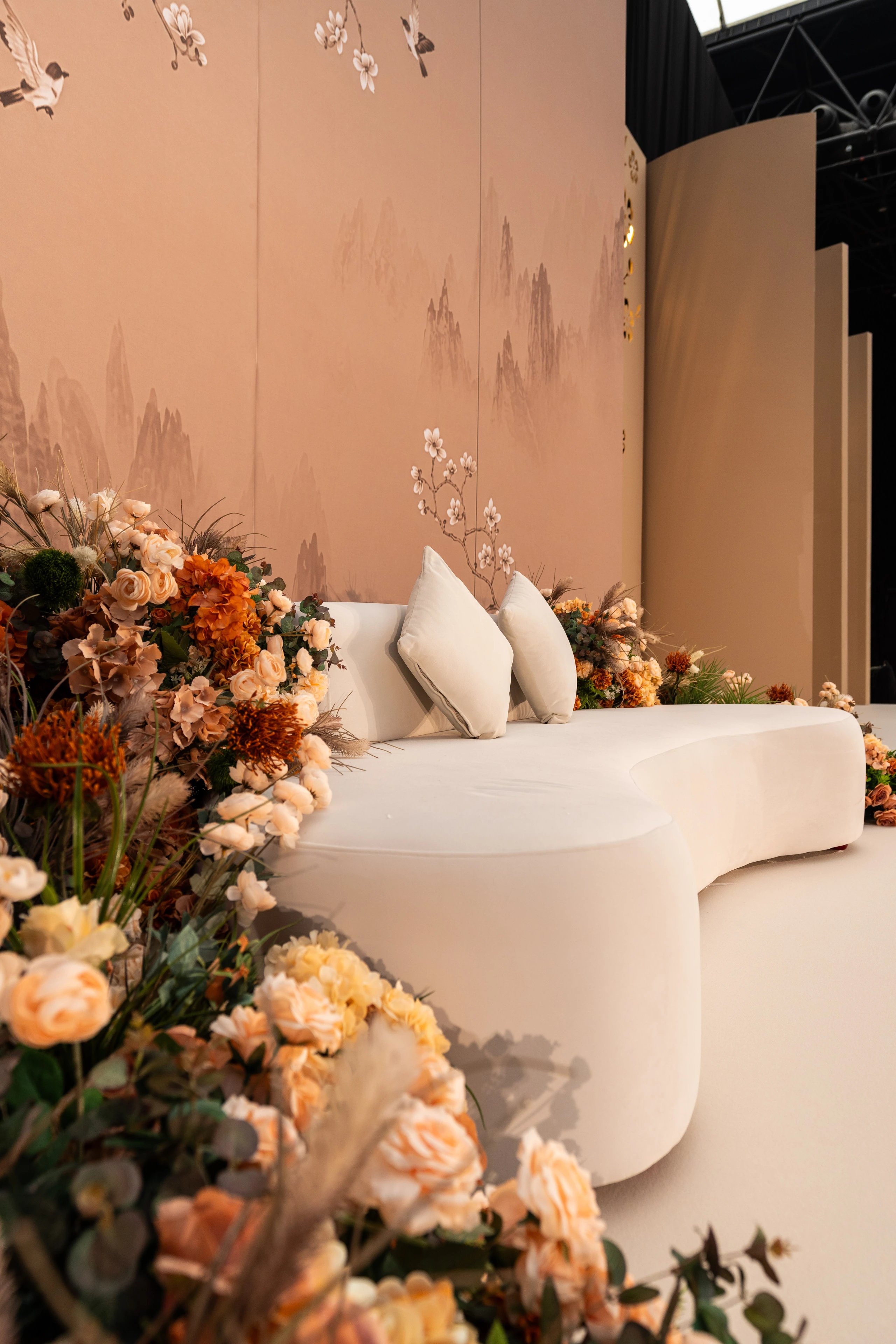
Why photograph the kosha before the guests arrive?
The best time to photograph a kosha is before the hall fills up: the flowers are fresh, the light is controlled and nothing is in the way. Many brides want a full record of the setting, from wide views of the hall to close-ups of flowers, cushions, calligraphy and table details. These photographs are also a thank-you to the designers and the family members who planned it, and they often become the opening pages of a wedding album.
If your celebration includes a henna night with its own smaller kosha, the same applies there. Our henna night photography and wedding photography pages explain how we cover the setting as part of the day.
Who is photographed on the kosha?
Once the bride is seated, a steady stream of relatives and friends will want a photograph with her. It helps to plan this a little: decide which groups matter most, such as the mothers, grandmothers, sisters and aunts, and ask someone from your family who knows everyone to bring them up in turn. That keeps the queue moving and makes sure nobody important is missed. Our wedding photo shot list has a section you can adapt.
For a women-only celebration, an all-female team of photographers can work right up at the kosha without anyone feeling they have to cover up or hold back.