Why does style matter more than you think?
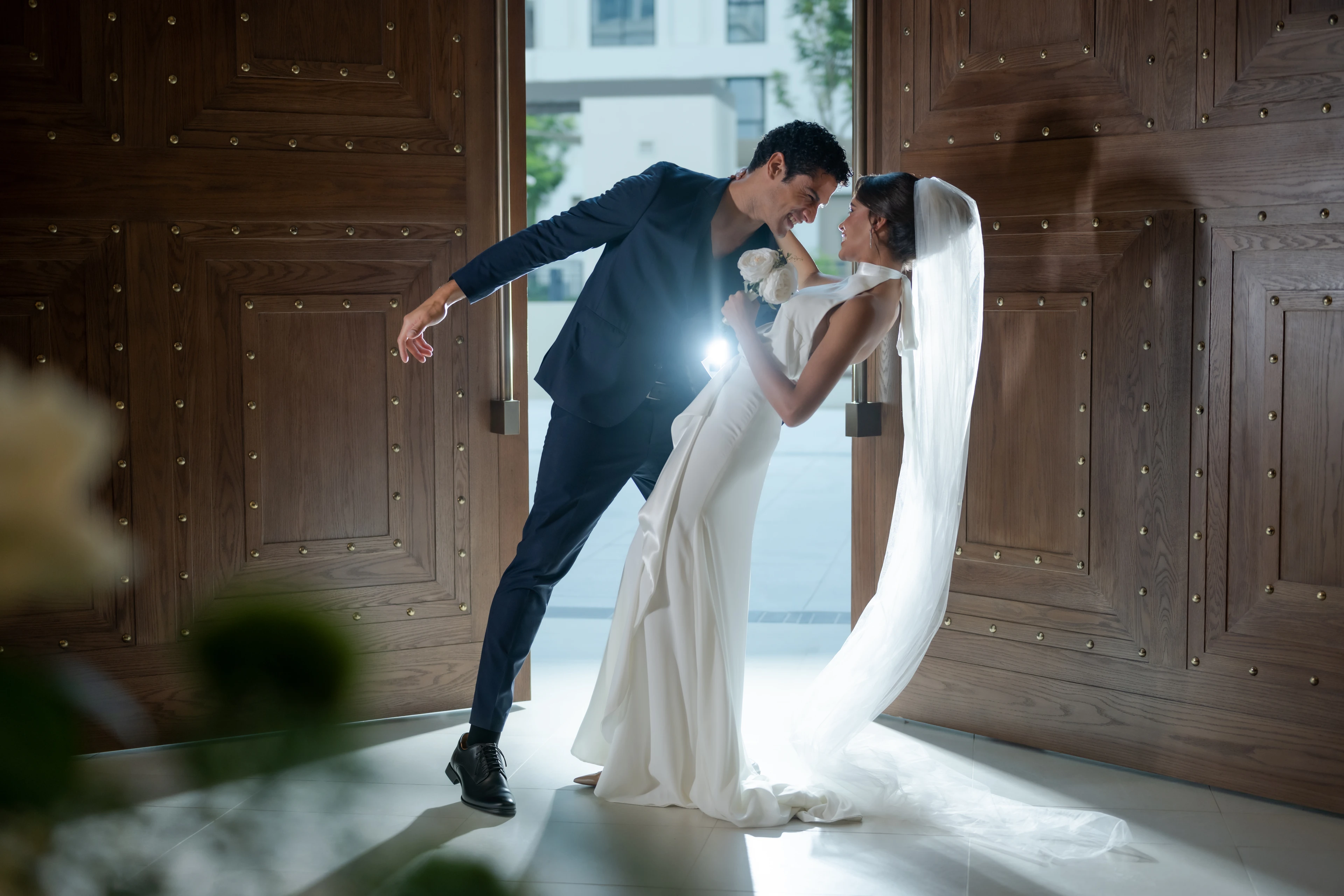
Two photographers can stand in the same hall at the same moment and come home with completely different photographs. One will have a perfectly lit portrait of the bride looking at the camera. The other will have her mother wiping her eyes in the corner. Neither is better; they are different styles, and the one you choose shapes how you remember the day.
Knowing the main styles also helps when you are choosing a wedding photographer, because it gives you words for what you are drawn to.
What is candid wedding photography?
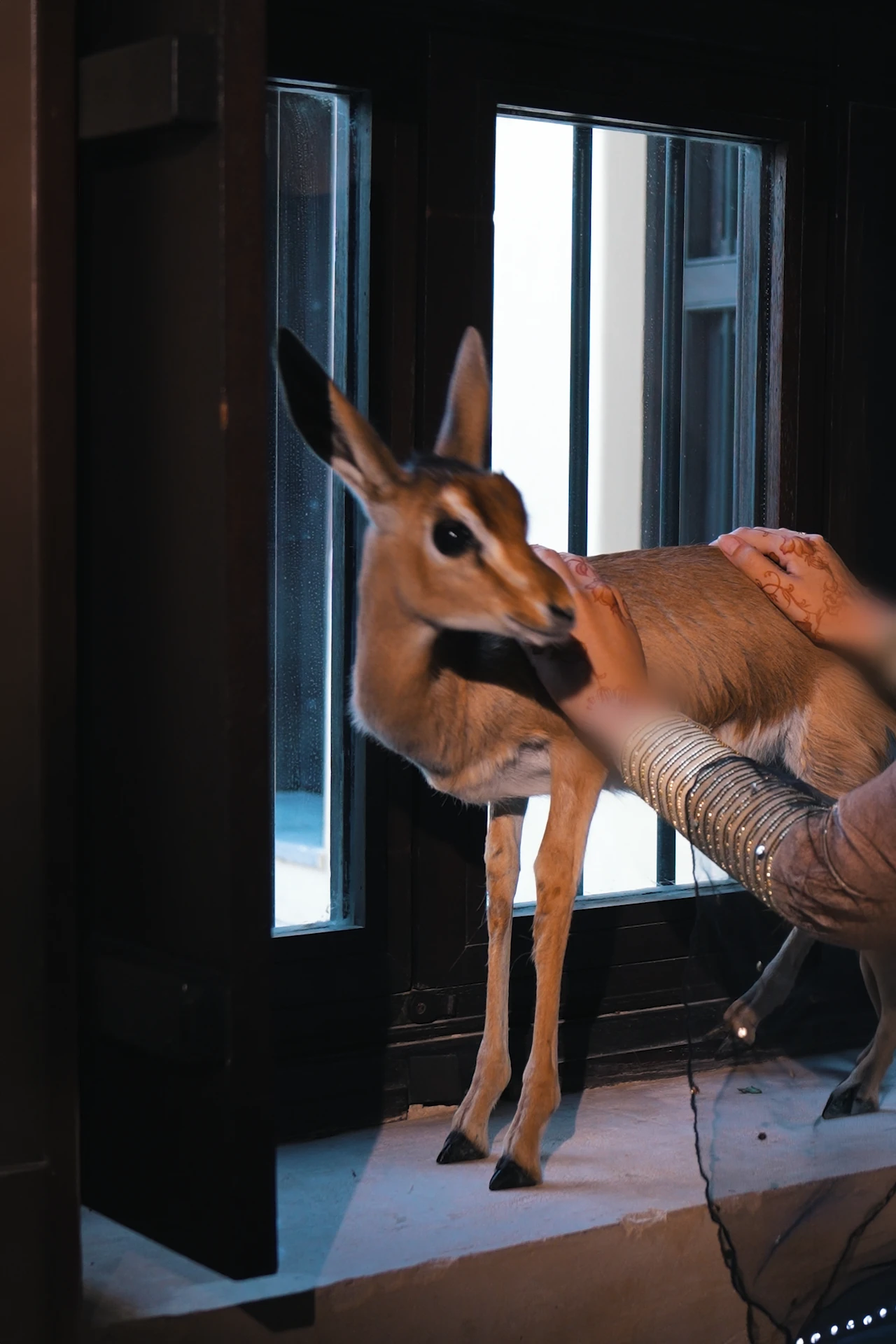
Candid photography captures people as they are, without asking them to pose: laughter mid-sentence, a hand reaching for a hand, a grandmother watching the bride walk in. The photographer anticipates moments instead of creating them. Candid photographs tend to feel warm and honest, and they are often the ones families return to years later.
What is documentary wedding photography?
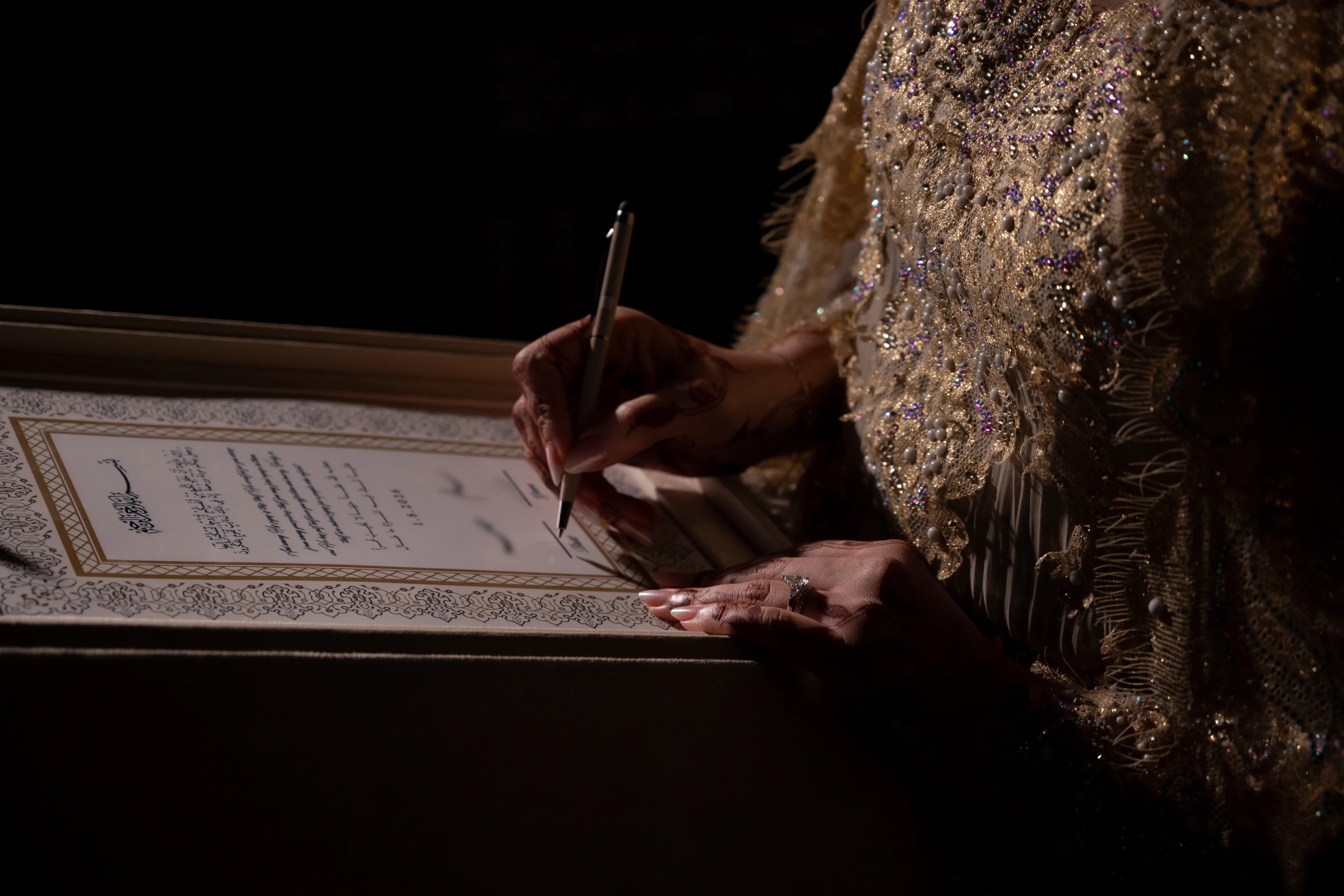
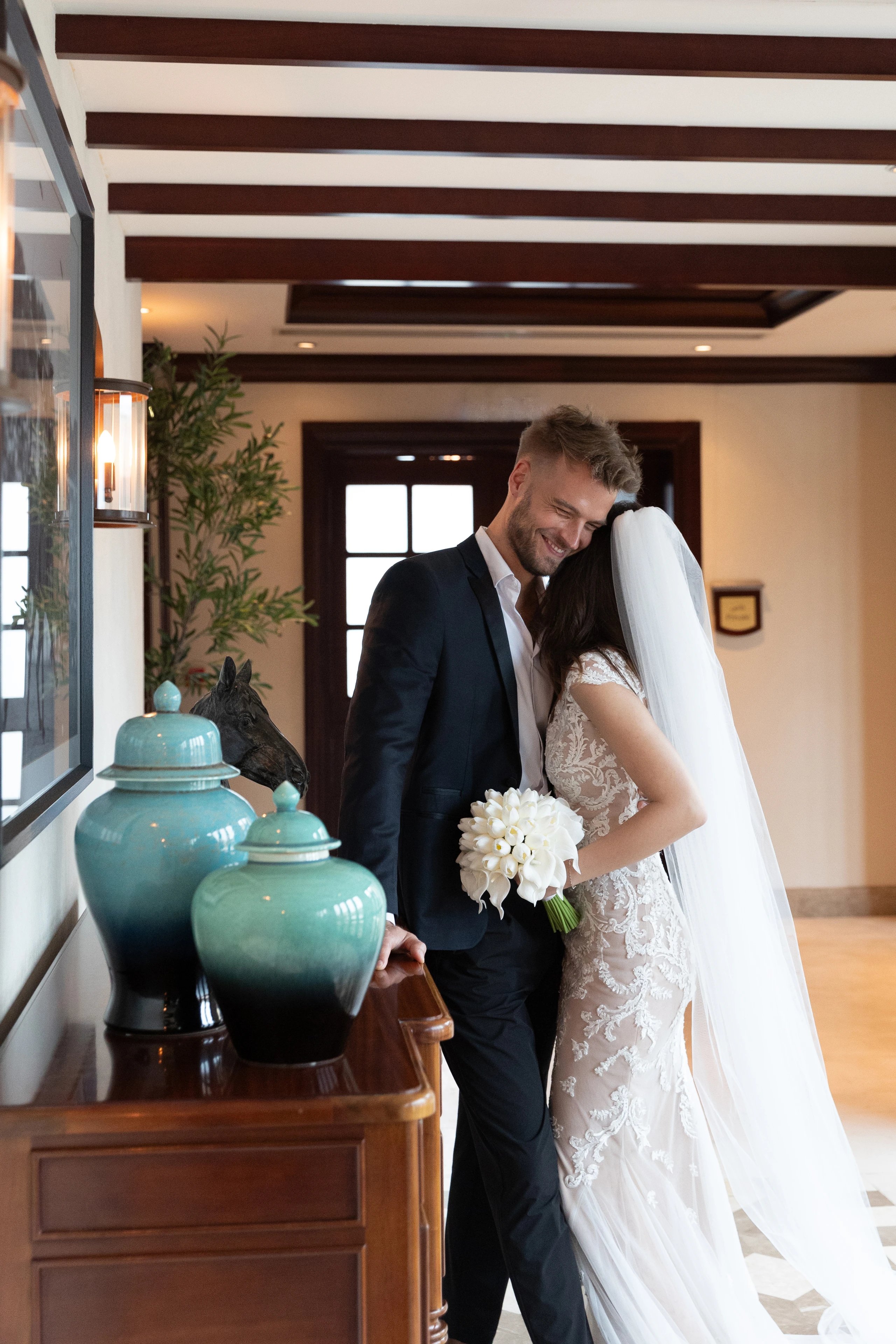
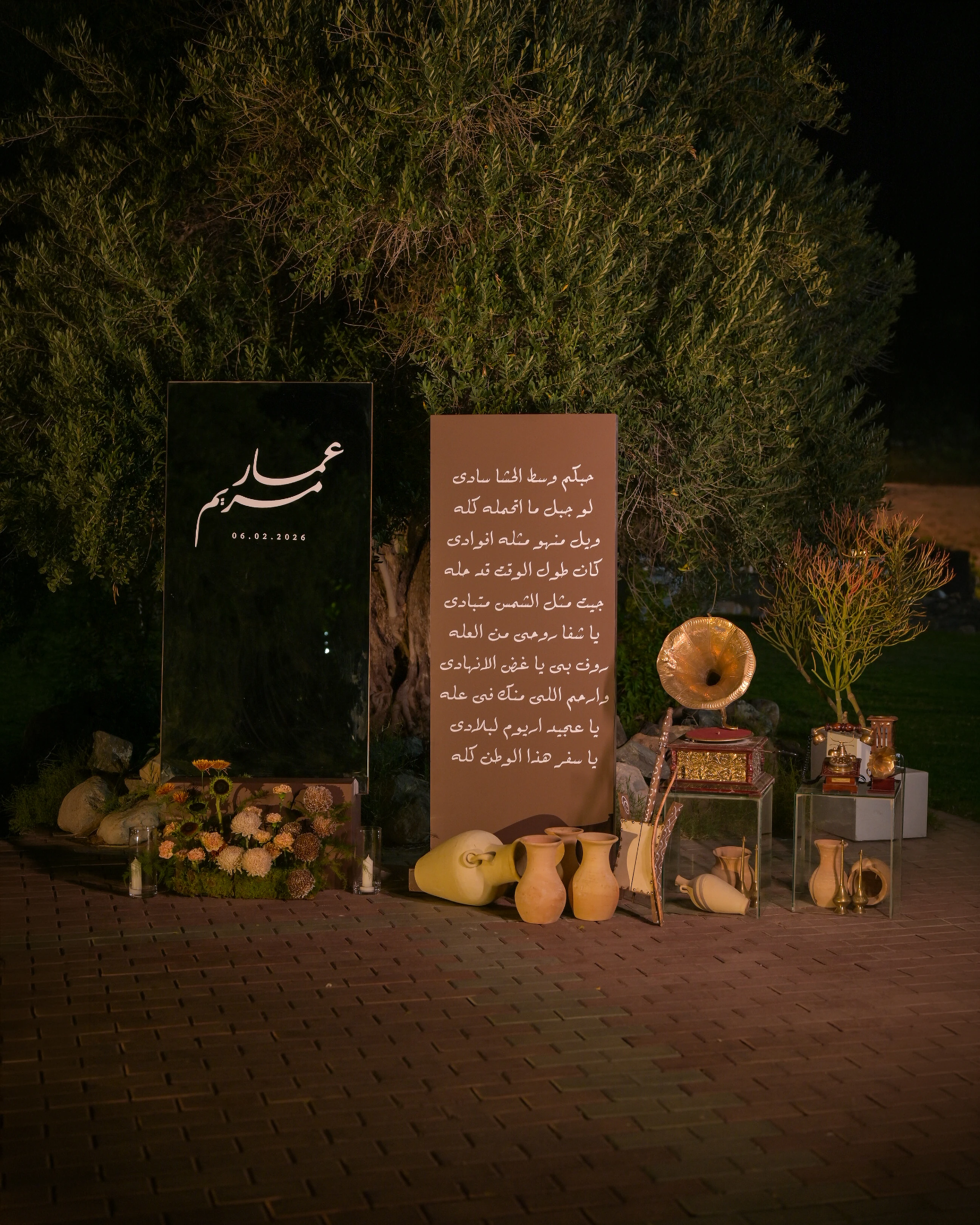
Documentary photography takes the candid approach further: the photographer tells the story of the whole day, in order, with as little intervention as possible. The result reads like a book. It suits weddings with strong traditions, such as an Emirati wedding with its Milcha, henna night and zaffa, because the rituals carry the story on their own.
What is editorial wedding photography?
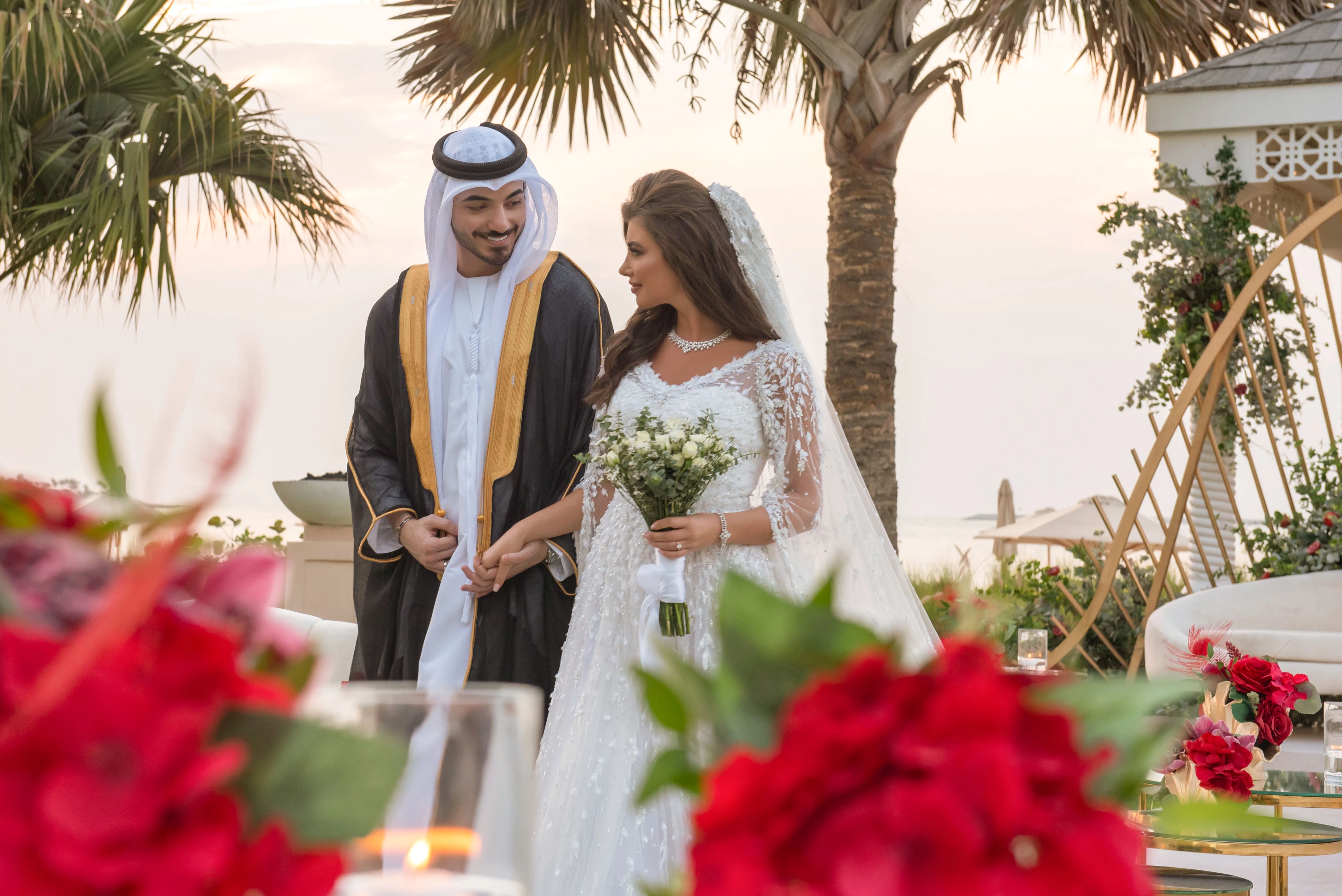
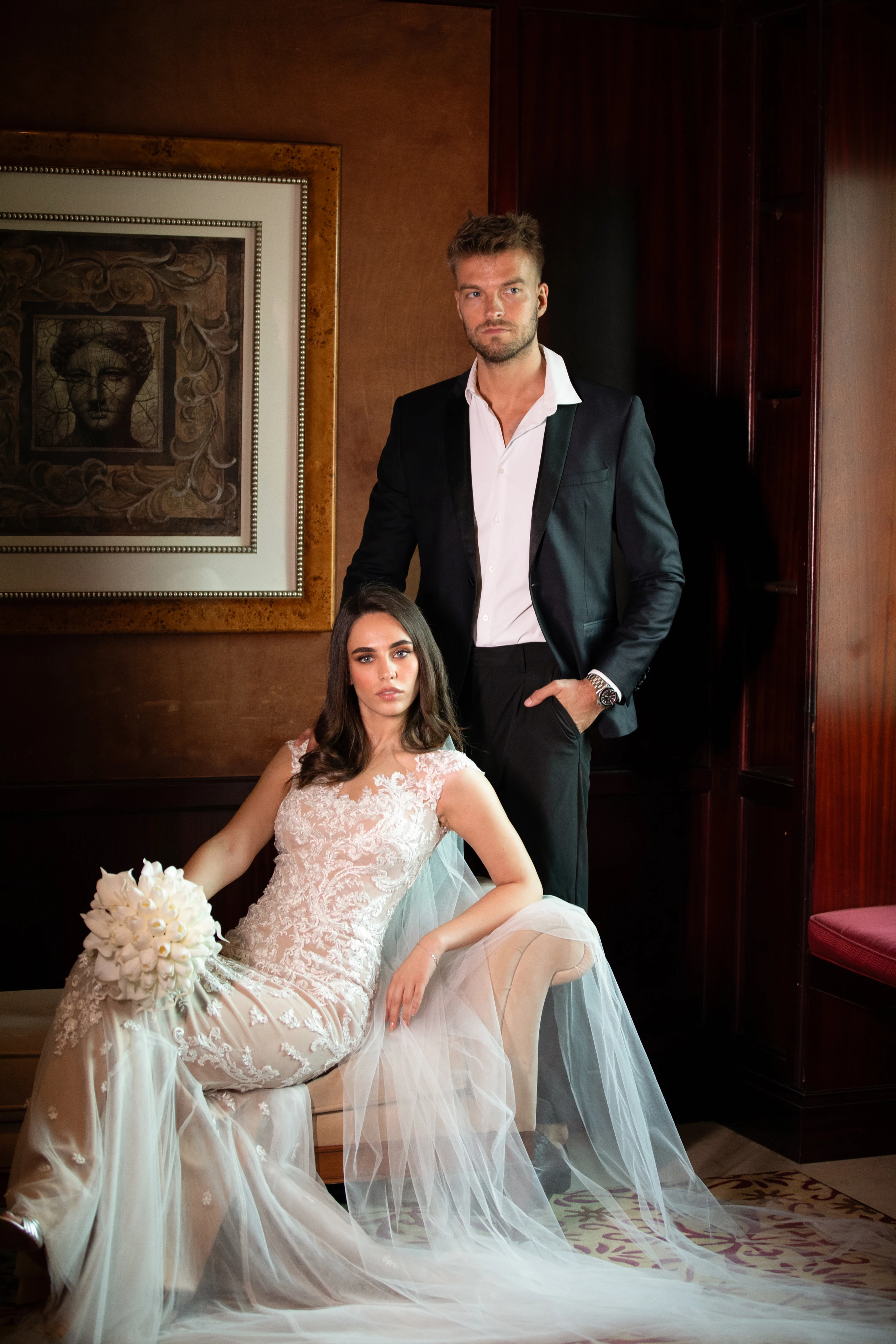
Editorial photography borrows from fashion magazines: directed poses, strong composition, and a lot of attention to the dress, the light and the setting. It suits brides who have chosen their gown and jewellery with great care and want them shown at their best. It needs time set aside for portraits, usually in the hour after the bride is dressed.
What is fine art wedding photography?
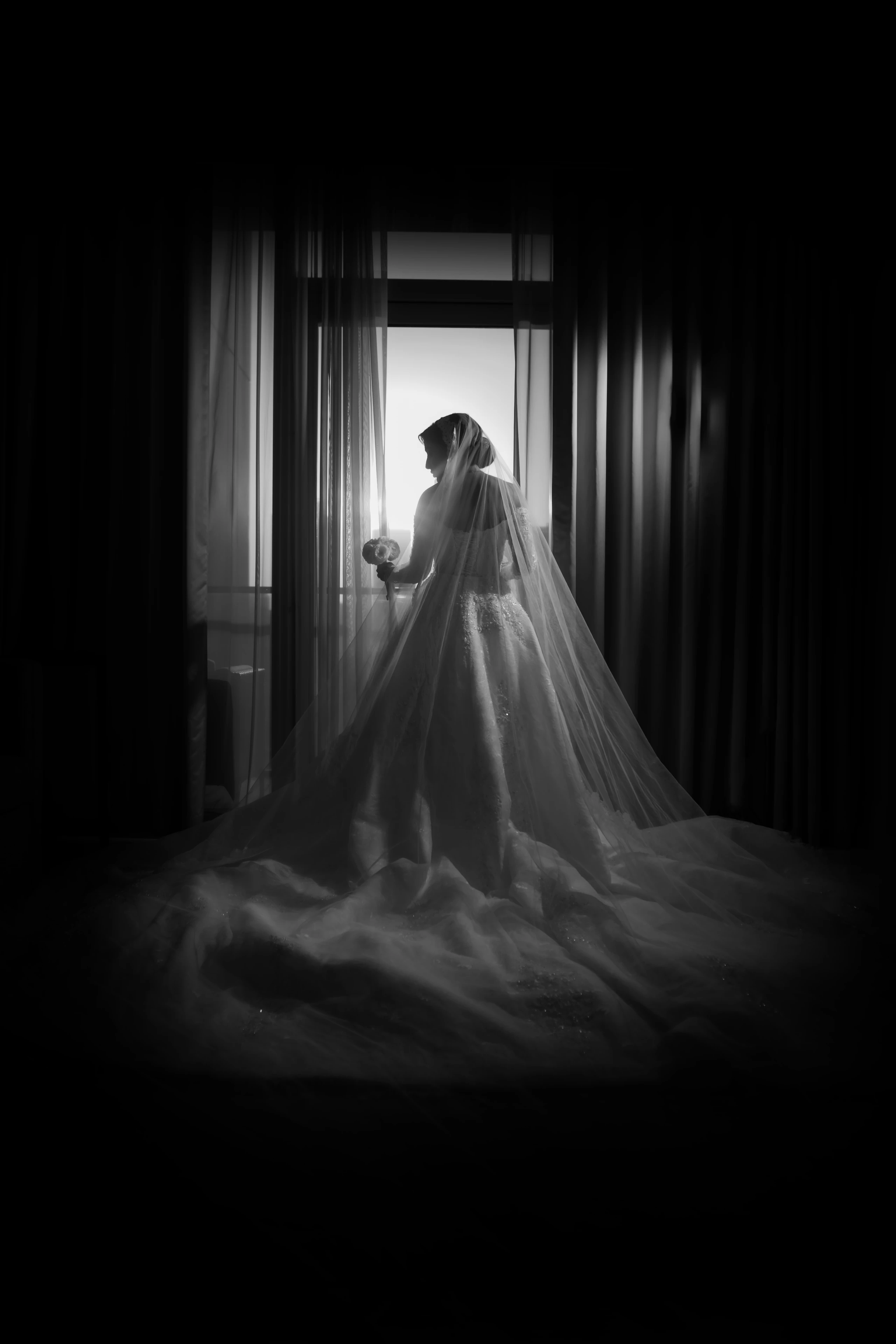
Fine art wedding photography is less a technique than a sensibility: soft light, careful composition, a muted or painterly colour palette, and images that could hang on a wall. Many fine art photographers work in natural light and favour quiet moments over crowded ones.
What is traditional posed wedding photography?
Traditional wedding photography focuses on posed portraits and family groups, often with flash and everyone looking at the camera. It is sometimes dismissed as old-fashioned, but every wedding needs some of it. Your grandparents will want the photograph of the whole family together, properly lit, with nobody's eyes closed.
Should your photographs be in colour or black and white?
Black and white is not a style on its own, but it changes how a photograph feels. It strips away the distraction of mixed hall lighting and puts the emphasis on expression and shape. Many photographers deliver most images in colour with a selection in black and white.
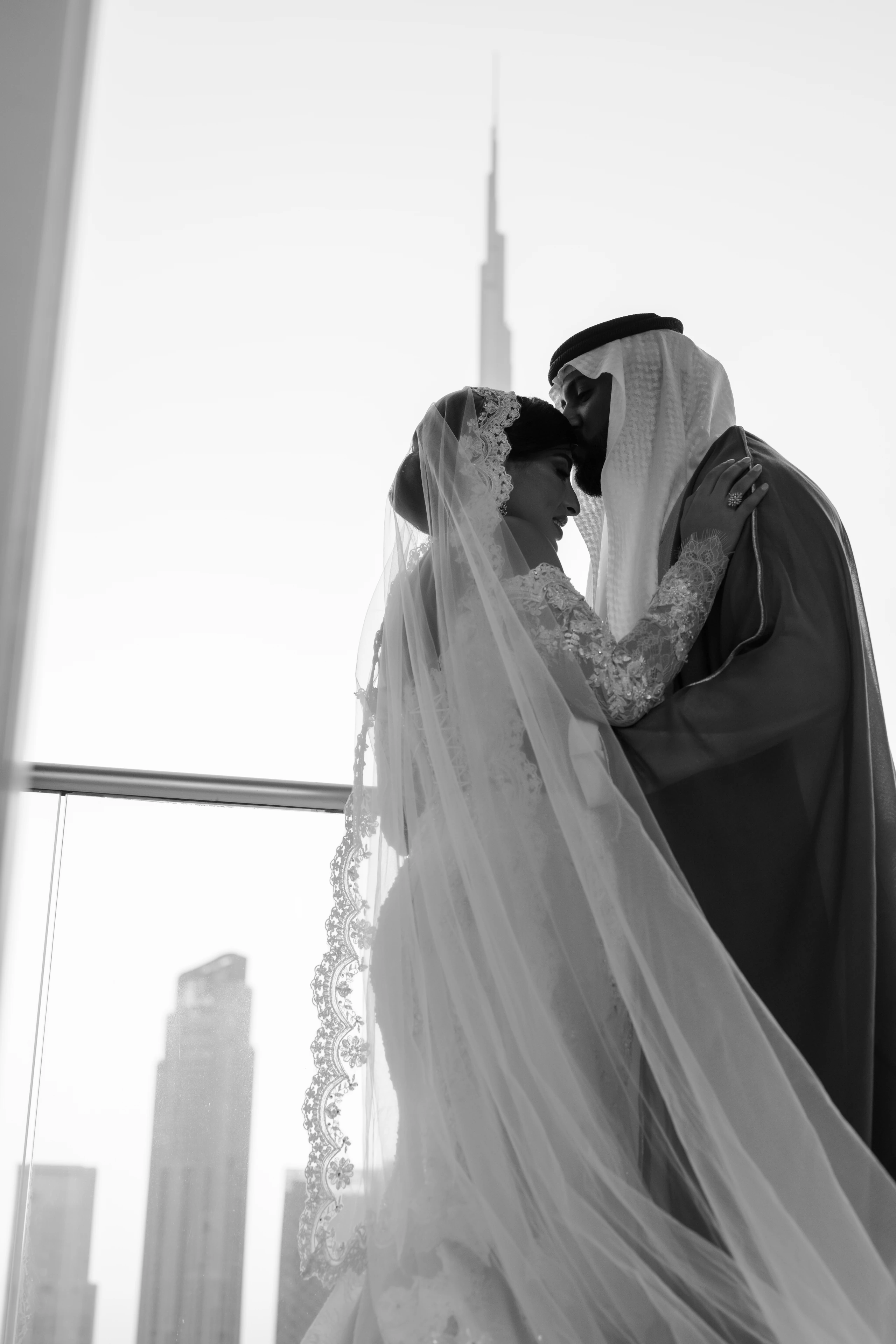
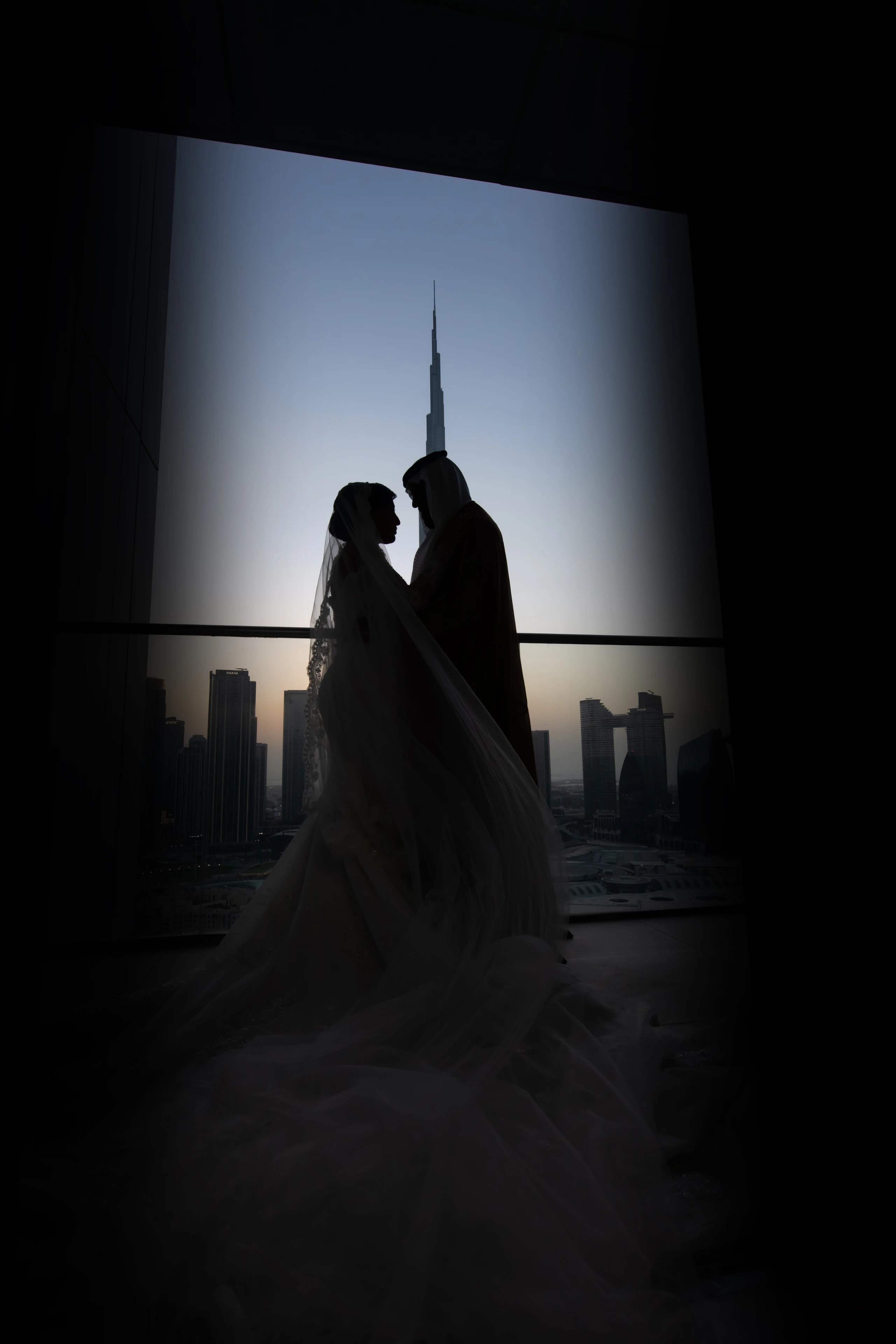
| Style | What it looks like | Suits couples who |
|---|---|---|
| Candid | Natural moments, people unaware of the camera | want the day as it felt |
| Documentary | The whole day told as a story, with little direction | want an honest record from start to finish |
| Editorial | Styled, fashion-inspired portraits with direction | enjoy being directed and want striking portraits |
| Fine art | Composed, light-led frames, often soft in tone | care most about beautiful individual images |
| Traditional and posed | Arranged portraits and family groups | want every family group recorded |
Do most photographers mix styles?
In practice, very few wedding photographers work in only one style. A typical day moves between them: posed family groups, a few directed portraits, and long stretches of candid photography in between. What differs is the balance. Look at full galleries, not just highlights, to see where a photographer's weight falls.
At Pause Studio our work leans towards the quiet and the candid: the details, the hands, the moments between moments. We talk through your day, your family and what matters to you before the date, and on the day we work quietly and stay out of the way. You can see the balance for yourself in our portfolio.
Which style suits an Emirati wedding?
Emirati weddings bring their own challenges to any style. Wedding halls are often lit for the guests rather than the camera, with coloured lights, haze and a very bright kosha at one end of a dark room. The women's celebration moves fast, and the bride's entrance happens once, in low light, through a crowd.
A photographer who works mostly candidly needs to be comfortable in that light without relying on harsh flash that flattens the room. A photographer who favours editorial portraits needs time and a quiet space away from the hall, usually before the celebration begins. Ask any photographer you are considering how they would approach your venue, and look at photographs they have taken in similar halls.
Traditions also shape what is photographed. The Milcha, the henna and the kosha all have details that a documentary approach captures naturally: hands signing, henna drying, the bench waiting for the bride. If those details matter to you, look for them in the galleries you are shown.
How do you find your style?
- Save twenty wedding photographs you love, without thinking about why.
- Look at them together. Are most posed or unposed? Bright or moody? Close or wide?
- Notice the ones you keep returning to; that is your style.
- Ask each photographer to show you full galleries in that style.
If you also want moving images, wedding films have their own styles, from short cinematic films to longer documentary edits. When you are ready, send us your date and plans for your wedding photography on WhatsApp and we will reply with availability and a quote.